Blog
On accuracy, AI, and Philippine law.
Notes from the team building BatasDB — on why grounded legal research beats confident guessing, and what it takes to trust an AI with the law.

Bar exam guide
How to study for the bar exam in the Philippines: a guide for law students and 2027 bar reviewees.
What the 2026 Bar actually tested, how to build a bar reviewer around the 2027 syllabus and its 30 June 2026 cut-off date, how to use case digests without learning an abandoned doctrine, and how to write answers in the ALAC format. Plus the 2027 Bar dates and the 2026 bar exam results timeline.

Legal research guide
Legal research for government lawyers in the Philippines: a practical guide.
Where the official text lives, how to confirm a law or circular is still in force, where COA, CSC, GPPB and DOJ material is actually published, and what the 2026 government AI rules mean for research. With the research chain and the clock for a Notice of Disallowance, an administrative case, a procurement question, and a draft ordinance.
Using BatasDB
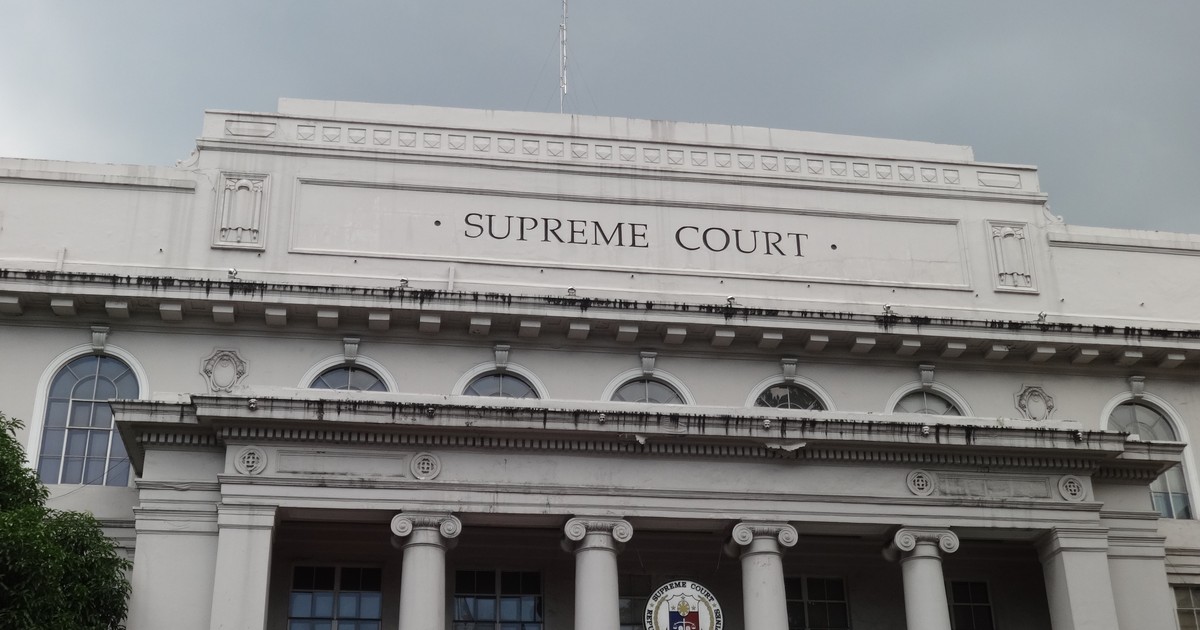
Philippine courts are adopting AI. Legal research needs the same discipline.
The Supreme Court is drawing a careful line around AI in the Judiciary. That is the same standard BatasDB follows for legal research: assist the lawyer, show the source, and never replace judgment.
Build on BatasDB
How to build your firm's internal law search engine on the BatasDB API
A developer's guide to putting grounded, effectivity-aware Philippine legal search inside your own tools — with one POST /search call. Real curl, real JSON, no scraping, no vector DB to babysit.

Legal research discipline
What Is a Case Citator, and Why Philippine Legal Research Needs One
A plain-English explanation of case citators, why US lawyers use tools like Shepard's and KeyCite, and why checking whether a case is still good law matters in Philippine legal research.
AI and the future of legal work
AI won't replace legal researchers. It'll make the good ones dangerous.
The fear that AI is coming for the lawyers misreads what legal work actually is. AI is a phenomenal librarian and a terrible advocate — with the right tech underneath, it deletes the grunt work and hands the judgment back to the person qualified to exercise it. Plus: five falsifiable questions to ask any legal AI tool.
Under the hood
The hard part isn't the AI. It's the law.
Accurate Philippine legal search isn't a model problem — it's a domain problem. The failure modes that trip up legal search, and the engineering BatasDB built to handle each: repealed-but-current provisions, short statutes losing to long cases, citations that point to half a rule.
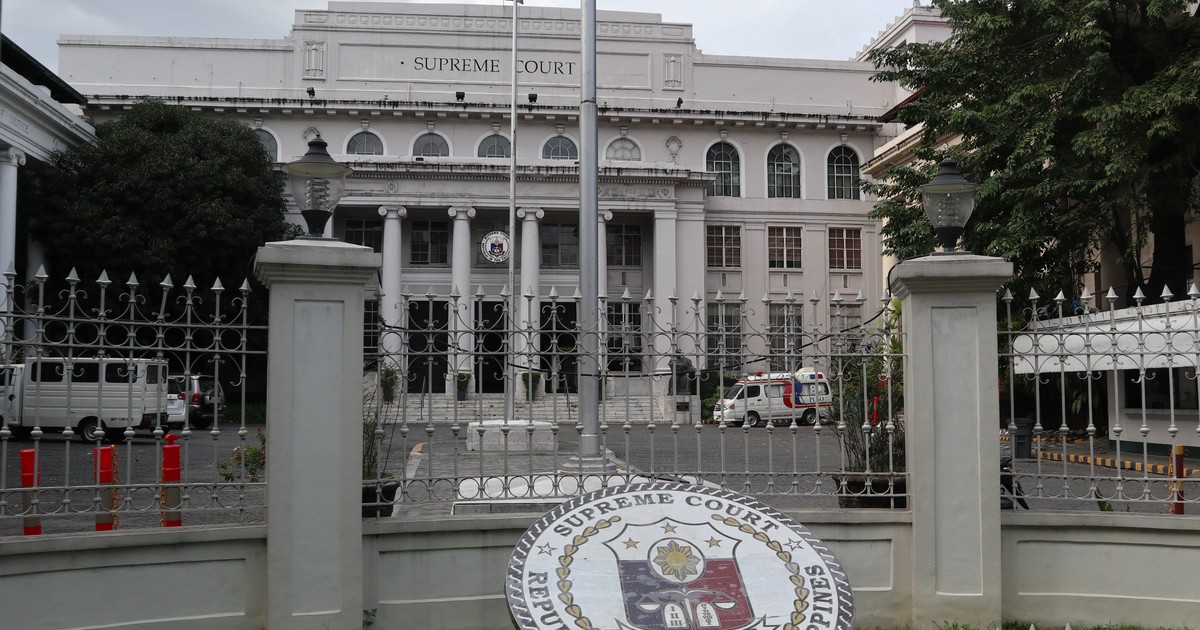
The danger of AI legal opinions
An AI that gives legal opinions is a liability, not a lawyer.
General chatbots make case law up — and even purpose-built legal AI still hallucinates on 1 in 6 to 1 in 3 queries. Here's why, what it means for Philippine practice, and how BatasDB compares to today's Philippine legal AI tools and ChatGPT.