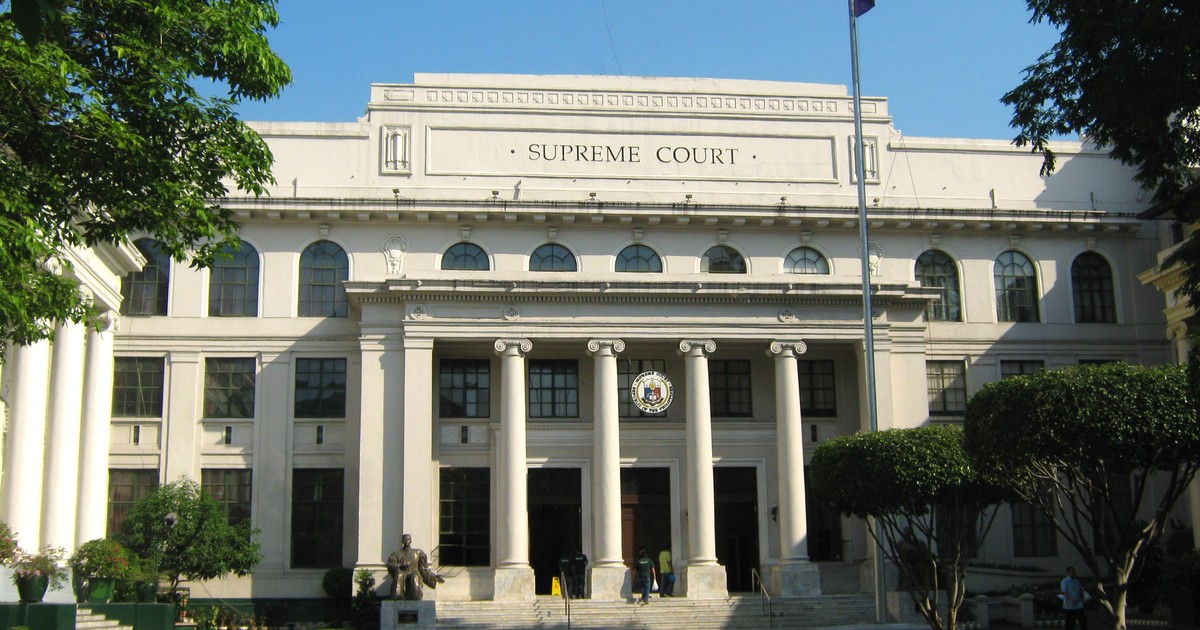
A familiar legal research mistake goes like this: you search for a doctrine, find a Supreme Court case that says exactly what you need, copy the citation, and move on. The case is real. The quote is real. The source is official. On the surface, everything looks fine.
But legal research does not end with finding a case. A case can be useful and still be incomplete. It can state a rule that was later limited. It can rely on a statute that changed. It can be followed in one line of cases, distinguished in another, and abandoned years later without the original decision itself disappearing from the internet.
That is the quiet problem a case citator is built to solve. It helps answer a basic research question before you cite authority: is this case still good law, and how have later courts treated it?
Finding a case is not the same as verifying it
In Philippine practice, we are used to finding cases through Lawphil, the Supreme Court e-Library, Google, PDFs shared in class or office folders, and sometimes old pleadings. These sources are useful. Many lawyers and law students would be lost without them.
But finding the text of a decision only tells you that the decision exists. It does not automatically tell you whether later Supreme Court decisions followed it, distinguished it, modified the rule, abandoned the reasoning, or overruled it outright. That second step is where a lot of real legal research time goes.
The problem is not laziness. It is volume. Philippine jurisprudence is large, unevenly formatted, and spread across sources that were not designed as modern research systems. A careful researcher often has to jump from one case to another, search by citation variants, scan citing cases, and read the relevant paragraphs manually. That work is necessary, but it is also easy to miss something.
The research question
A case can support your argument today, then be weakened by a later decision tomorrow.
The case does not vanish. The PDF still opens. The quote still reads well. The danger is that the law around it has moved.
What a case citator actually does
A case citator is a research tool that tracks how later cases treated an earlier case. In plain English, it helps you move from "I found a case" to "I checked what happened to this case after it was decided."
The output is not supposed to replace judgment. A citator does not argue your case, decide which doctrine controls, or tell you what a judge will do. It gives you a map of subsequent treatment so you can read the relevant authorities faster and with fewer blind spots.
The useful categories are familiar to lawyers even if the tooling is not. Later cases may have followed an earlier ruling, meaning they applied or relied on it. They may have distinguished it, meaning the court explained why the earlier rule did not control because the facts or legal issue were different. They may have modified the doctrine, abandoned a line of reasoning, or overruled it.
Those labels are only a starting point. The responsible researcher still has to read the cases. But the label tells you where to look first, and it warns you when a case may no longer carry the weight it appears to carry.
Why US lawyers treat citators as ordinary research discipline
In the United States, lawyers have long used citator tools such as Shepard's and KeyCite. You do not need to know their whole history to understand the workflow. A researcher finds a case, checks its later treatment, reads the important citing authorities, and only then cites it with confidence.
The important point is not that American tools are fancy. It is that the discipline is built into the research habit. A case is not treated as safe simply because it appears in a database. It has to be checked against what came after.
This is also why the discussion should not start with AI. A citator is not mainly an AI feature. It is legal research infrastructure. AI may help classify relationships, extract signals, or summarize treatment, but the purpose is older and simpler: reduce the chance that a lawyer cites weakened or bad authority.
The Philippine gap is practical, not theoretical
Philippine researchers already know they should check later cases. Law school trains students to trace doctrine. Lawyers do it before filing pleadings and memoranda. The gap is that much of the workflow is still manual.
The Supreme Court e-Library provides citing-case information, and that is valuable. But a list of citing cases is not the same as a treatment analysis. The researcher still needs to open the later decisions, find the relevant passages, understand whether the earlier case was followed or limited, and decide what that means for the current problem.
Meanwhile, Philippine legal tech has seen many AI wrappers: chat boxes, document summarizers, drafting assistants, and tools that make legal text sound cleaner. Some of those are useful. But there are fewer attempts at the less glamorous layer: source coverage, citation tracking, authority ranking, effectivity checks, and verification workflows.
It feels strange that a Software Engineer has to explain this, but this is exactly the gap we saw while building BatasDB. The missing piece is not just a smarter chatbot. It is one of the gaps in Philippine legal tech: the research infrastructure that helps lawyers verify the law before they rely on it.
Why BatasDB is building a citator
BatasDB already works as a Philippine legal search engine focused on verifiable sources. The product direction is straightforward: make it easier to find Philippine law, then make it easier to verify whether the authority you found is still safe to use.
BatasDB Citator aims to trace later treatment of Philippine cases, including signals such as followed, distinguished, modified, abandoned, or overruled. That is a feature common in mature legal research platforms, but it is a workflow Philippine researchers often still perform manually.
The goal is not to make lawyers dependent on a label. The goal is to surface the trail: which later cases cited this one, where the treatment appears, and why the later court's handling matters. A good citator should make the researcher faster, not careless.
Try the free case citator now — paste any Supreme Court G.R. number and see whether the case is still good law, with no account and no sign-up.
Important: a citator is a research aid, not a substitute for professional legal analysis. You still need to read the cases, understand the facts, and apply legal judgment.
Useful even before the feature fully launches
Even if you are not using a citator today, the habit matters. When you find a case, ask three questions before citing it: what later cases cite it, what did those later cases do with it, and does the case still support the proposition you are using it for?
That small checklist changes the research posture. You stop treating a citation as a trophy you found and start treating it as authority that must survive contact with later law. That is slower than copy-paste, but it is the work.
Philippine legal tech should build deeper than chat
The future of Philippine legal tech should not just be chatbots. Chat can be useful, but legal work needs more than fluent answers. It needs search, citation tracking, source verification, effectivity awareness, and tools that make careful research easier to repeat.
That is less flashy than a box that answers anything. It is also more important. Philippine lawyers and law students do not need software that sounds confident. They need software that helps them check the source, trace the doctrine, and know when a case has been weakened.
BatasDB is building this workflow for Philippine legal research. You can try BatasDB at https://batasdb.ph.
For more notes on how we think about legal research systems, see the BatasDB blog.